About 7MBR10VKC120-50 IGBT MODULE
The
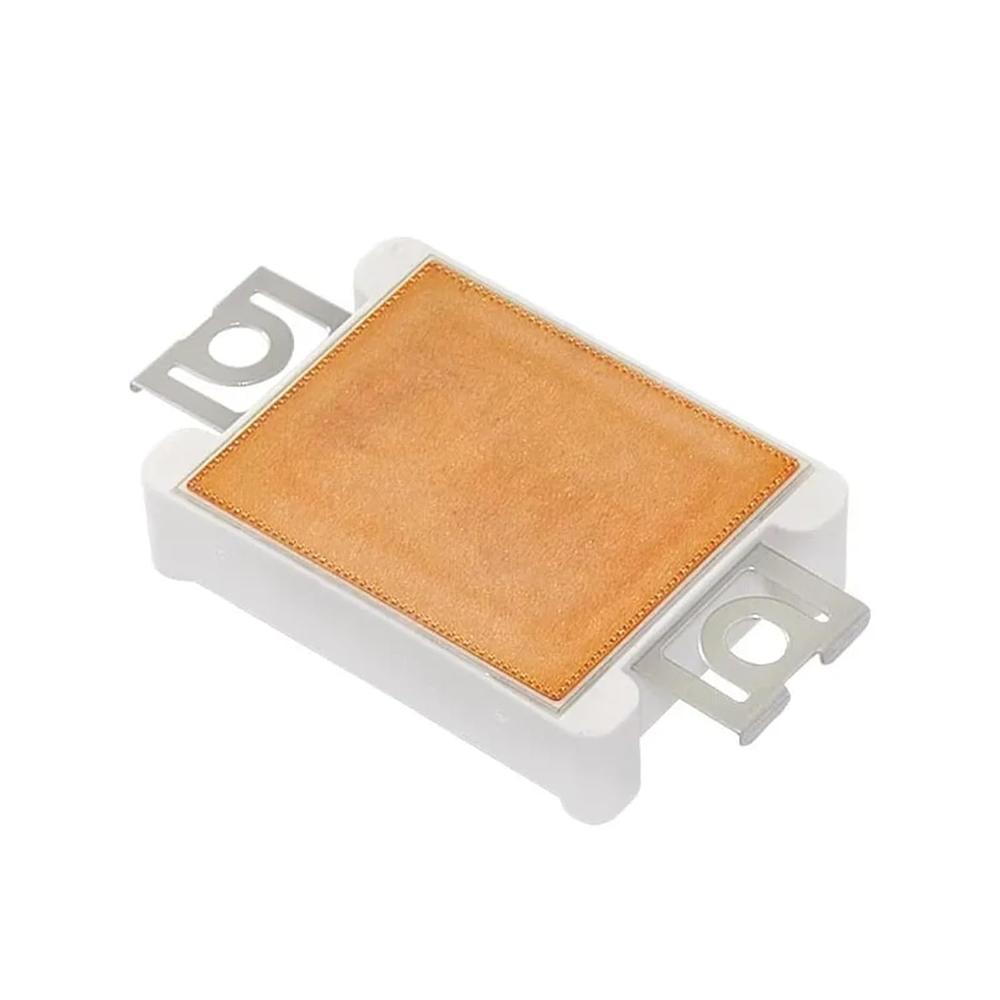
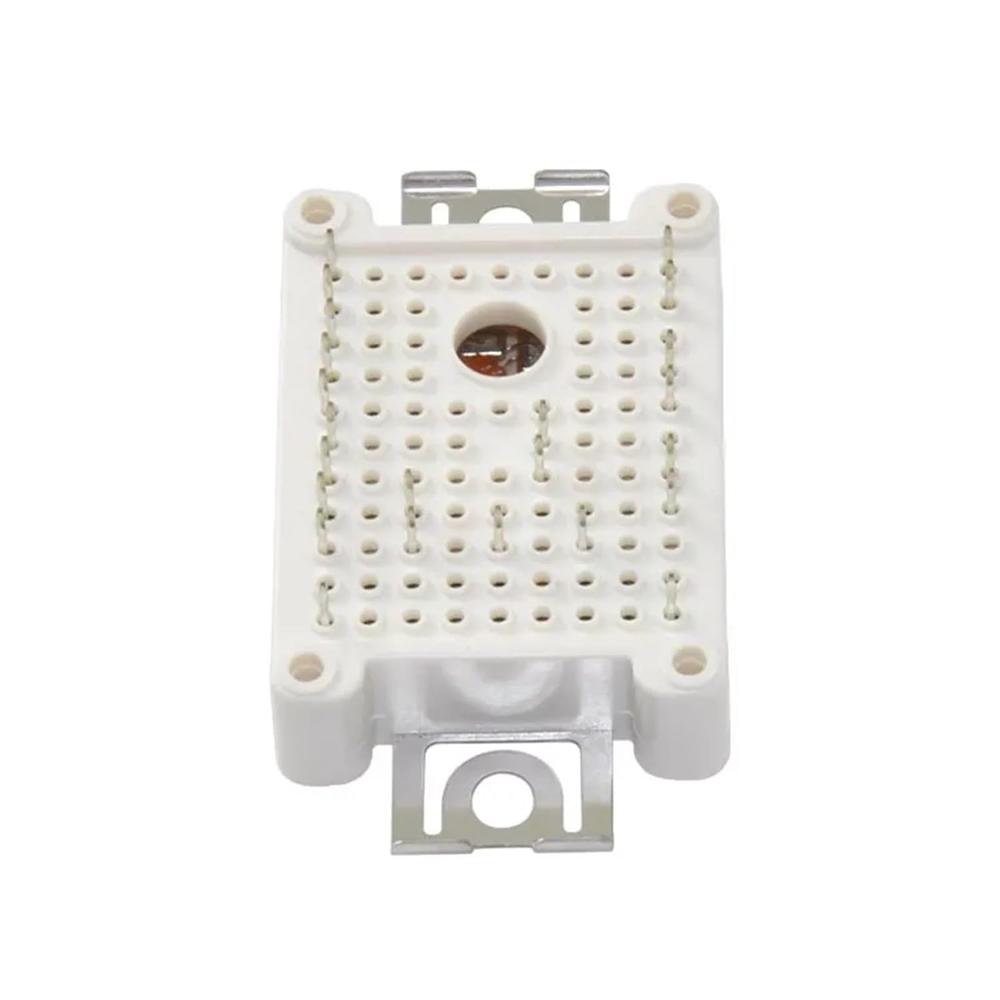
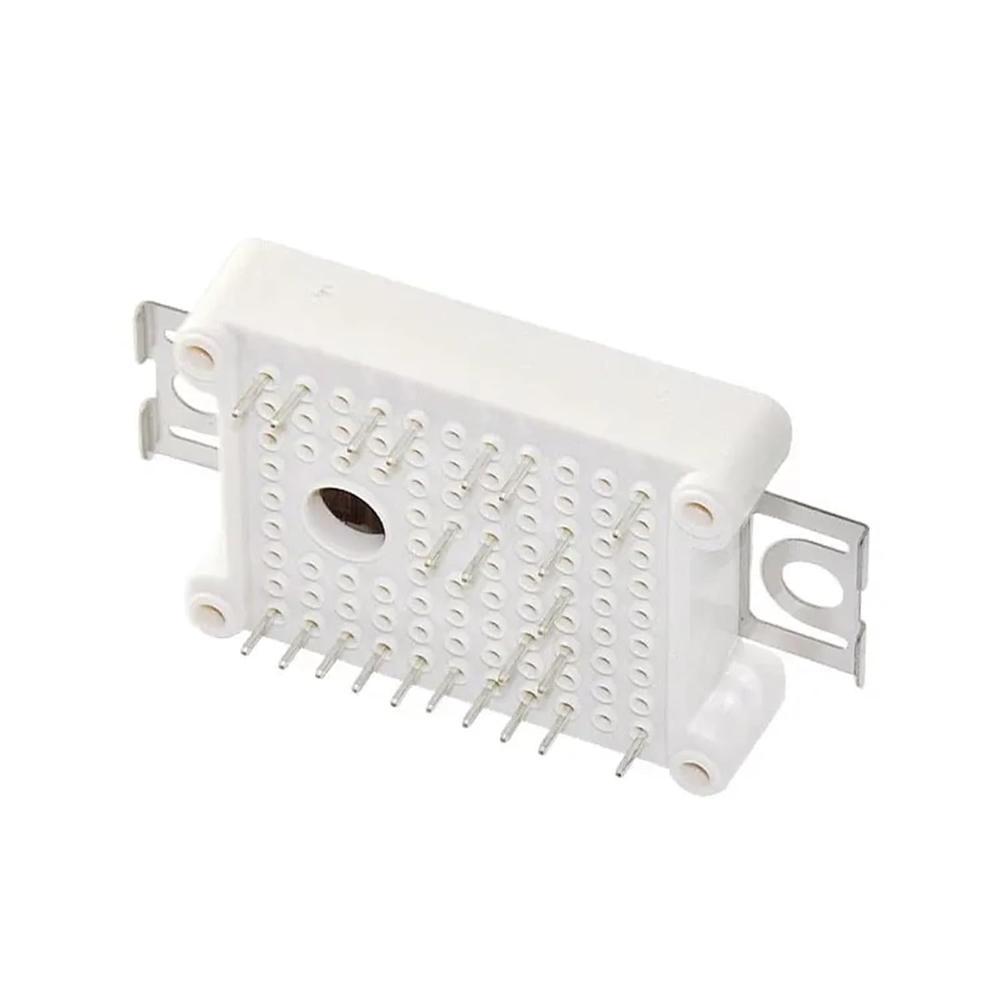
Fuji Electric 7MBR10VKC120-50 Intelligent Power Module is a compact
1200V, 10A V-Series Power Integrated Module (PIM) engineered for efficient motor control and industrial power conversion. It integrates a three-phase IGBT inverter, converter diode bridge, dynamic brake circuit, and temperature sensing into a single PCB-mount package, reducing circuit complexity and improving system reliability. With its low saturation voltage, fast switching performance, compact footprint, and robust thermal characteristics, the module is well suited for
variable frequency drives, servo amplifiers, UPS systems, CNC equipment, HVAC systems, industrial automation, textile and embroidery machinery, and other compact inverter applications where dependable, energy-efficient operation is required.
Versatile Power Switching for Industrial NeedsThe 7MBR10VKC120-50 IGBT module is expertly crafted for demanding industrial power switching. Its robust 7-pack configuration and 1200V voltage support various high-power applications, including renewable energy inverters and motion control systems. The efficient copper base ensures superior thermal management, and the isolated base provides reliable insulation for enhanced safety and durability.
High Efficiency and Reliable DesignThis IGBT module offers fast switching responses and superior efficiency, making it ideal for frequent duty cycle uses, such as inverter systems and uninterruptible power supplies (UPS). The module's screw terminals and press-fit interface streamline installation and ensure secure electrical connections, while RoHS compliance supports environmentally conscious deployments.
Flexible Mounting and Secure OperationDesigned to fit standard power module cases, the 7MBR10VKC120-50 allows straightforward integration with base plate mounting, requiring a heat sink for optimum performance. The industry-standard chassis mount and screw terminal configuration make it suitable for retrofitting and new equipment alike, providing flexibility for engineers and designers.
FAQ's of 7MBR10VKC120-50 IGBT MODULE:
Q: How is the 7MBR10VKC120-50 IGBT module typically used in industrial applications?
A: The 7MBR10VKC120-50 is commonly employed in AC motor controls, motion and servo drives, renewable energy inverters, and industrial equipment where high power switching and efficiency are needed. Its 7-pack design supports complex drive systems requiring precise and reliable current control.
Q: What installation process should be followed for the 7MBR10VKC120-50?
A: To install this IGBT module, mount it onto a chassis or heat sink using the isolated base and screw terminals. Ensure proper heat dissipation by securing an appropriate heat sink, and connect control and power lines to the screw/press-fit terminals as specified in the datasheet.
Q: Where does the 7MBR10VKC120-50 offer the most benefit?
A: The module excels in high-power environments like industrial automation, renewable energy conversion, and heavy-duty motor drives, offering high efficiency, fast response, and thermal stability, making it especially beneficial for applications with frequent switching and high load demands.
Q: What are the key electrical ratings of this IGBT module?
A: The key ratings include a maximum collector-emitter voltage (Vce) of 1200V, collector current (Ic) of 10A, gate threshold voltage between 4.5V and 6.5V, and gate-emitter voltage (Vge) up to 20V. The isolation voltage is rated at 2500V AC for one minute.
Q: How does the module handle heat dissipation during operation?
A: The 7MBR10VKC120-50 uses a copper base plate for efficient thermal conductivity. For continuous reliable operation, it must be mounted on a compatible heat sink to dissipate heat generated during high-current switching and prevent overheating.
Q: What makes the 7MBR10VKC120-50 suitable for power electronics and inverter systems?
A: Its fast switching speed (up to 20kHz), high efficiency, robust construction, and ability to handle up to 1200V DC supply and 10A current make it ideal for power electronics, inverter systems, and motor drives demanding stability and durability in performance.
Q: When is maintenance typically required for this module?
A: Routine maintenance is not typically needed for the module itself, but periodic inspections of thermal interface materials, screw terminal tightness, and heat sink cleanliness are advisable to ensure optimal thermal management and secure electrical connections during operation.





 Send Inquiry


 Send Inquiry